Things You Won't Want To Miss — Planning & Advice
Wedding Planner Pricing Styles: A Complete Guide
Wedding planner pricing styles, there’s actually a formula to it. This guide breaks down how most wedding planners price their services — from flat fees to hybrid models and percentage-based structures — so you can understand what to expect, and why.

Share this


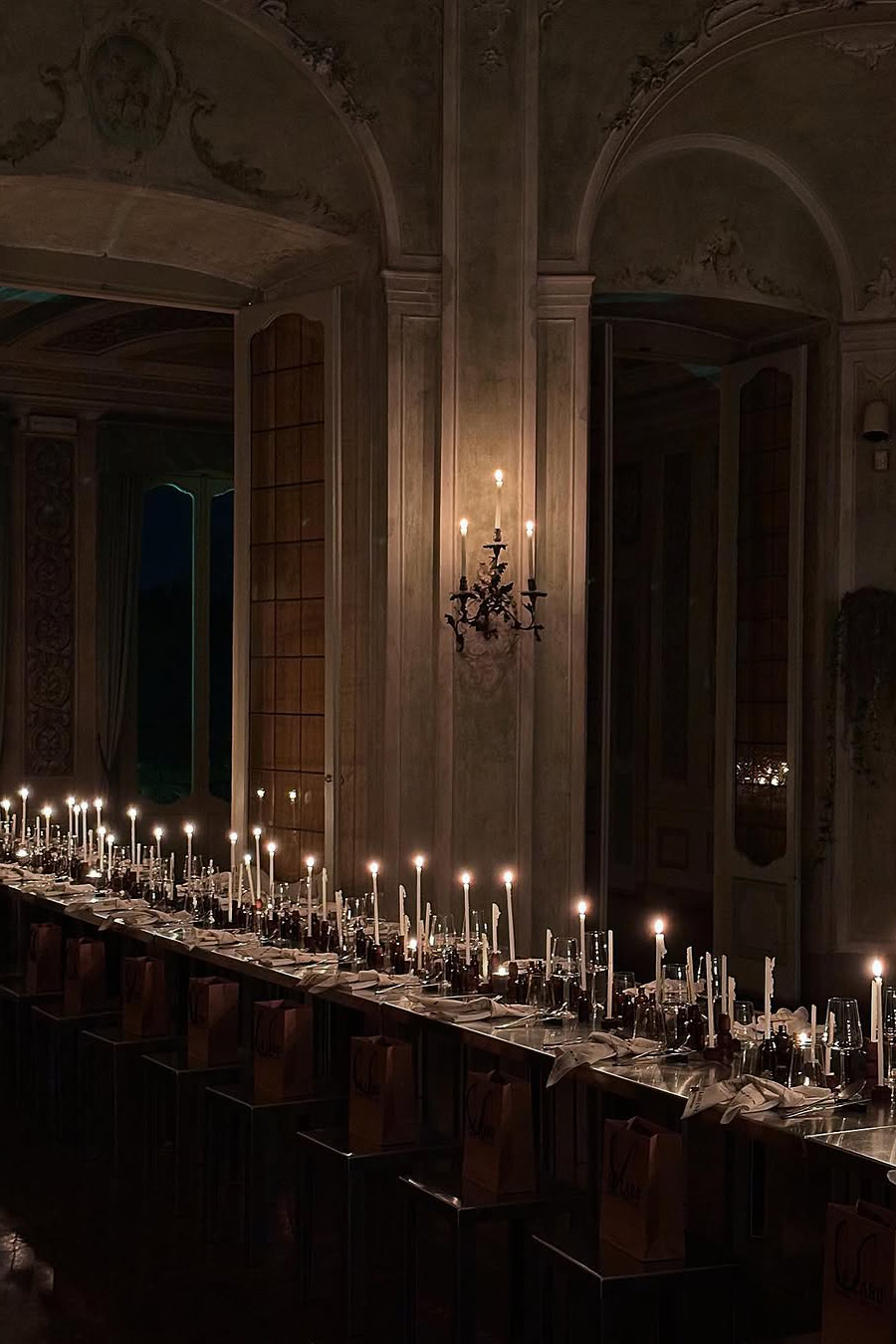
You’ve likely pictured your wedding day – a poetic tapestry of beauty, intimacy, and the art of celebration. Perhaps you’re already deep in Pinterest boards or strolling venues, soaking up all the possibilities. From the soft candlelight flickering over long tables and guests lingering at the end or a cascading floral installation, everything deserves to feel like you and everything you’ve ever dreamt of. Enter: your wedding planner. But alongside the excitement comes the practical question – how much will this cost, and how do wedding planners cost their services?
Header Image: Pablo Laguía

Register to access your first article free
By signing up, you agree to terms & conditions
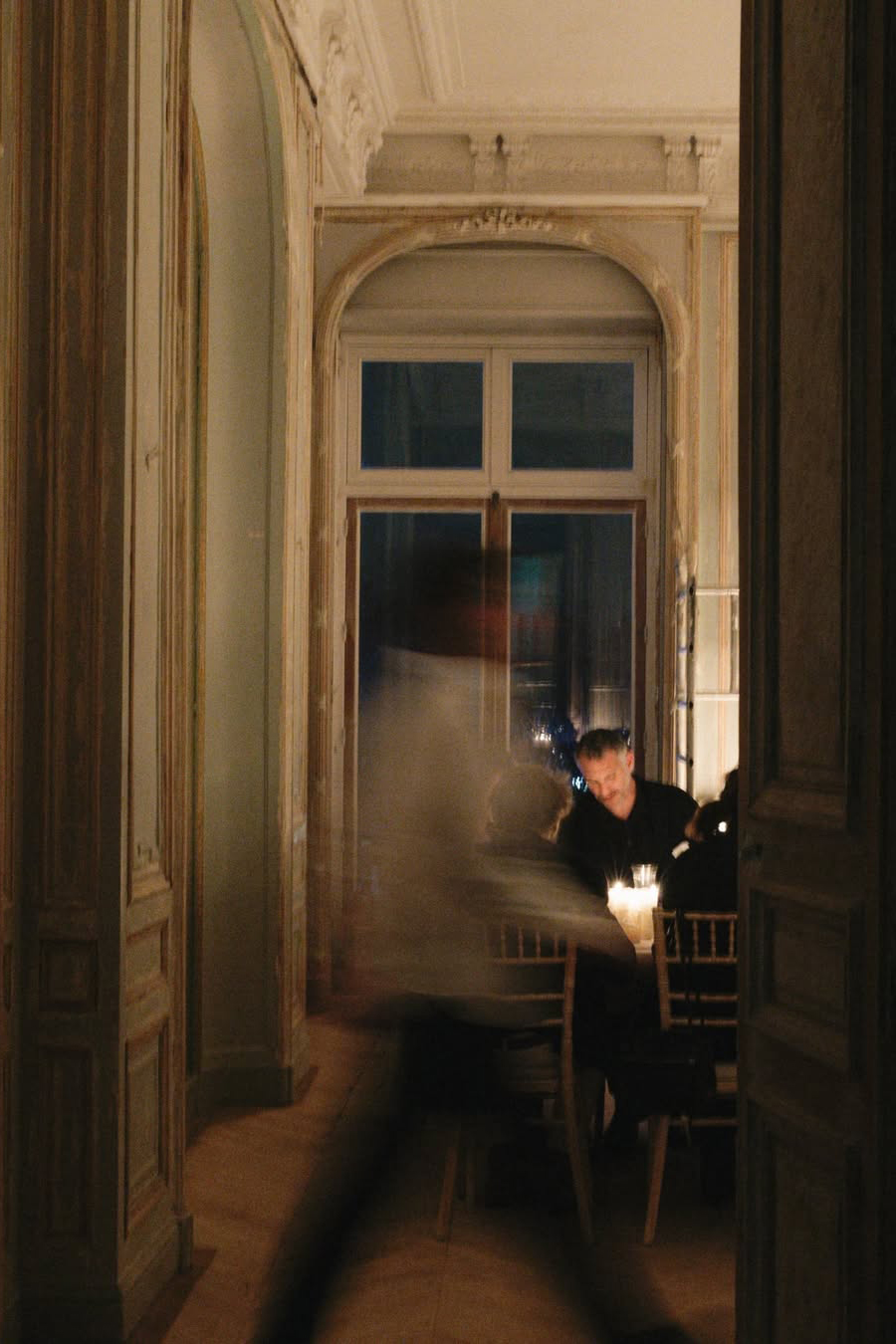
Ali Valdez Photography

LaFederica, Tipos Photography
Whether it’s a flat fee, a hybrid approach, or percentage-based pricing. Let’s break it down.
Because, flat fee, hybrid, or percentage-based: wedding planner costs typically falls into one of these three styles. A flat fee offers clarity and simplicity with a set price agreed upfront. Percentage-based pricing, often 5-10% for budgets below 300K and 15 – 20% for above, aligns the planner’s motivation with your vision, though it can increase costs as your budget expands. Then there’s the hybrid model: a blend of a base fee with add-ons or commissions, offering flexibility for tailored needs. Each approach comes with its own pros and cons, depending on the scale of your wedding and how bespoke you’d like the experience to be.
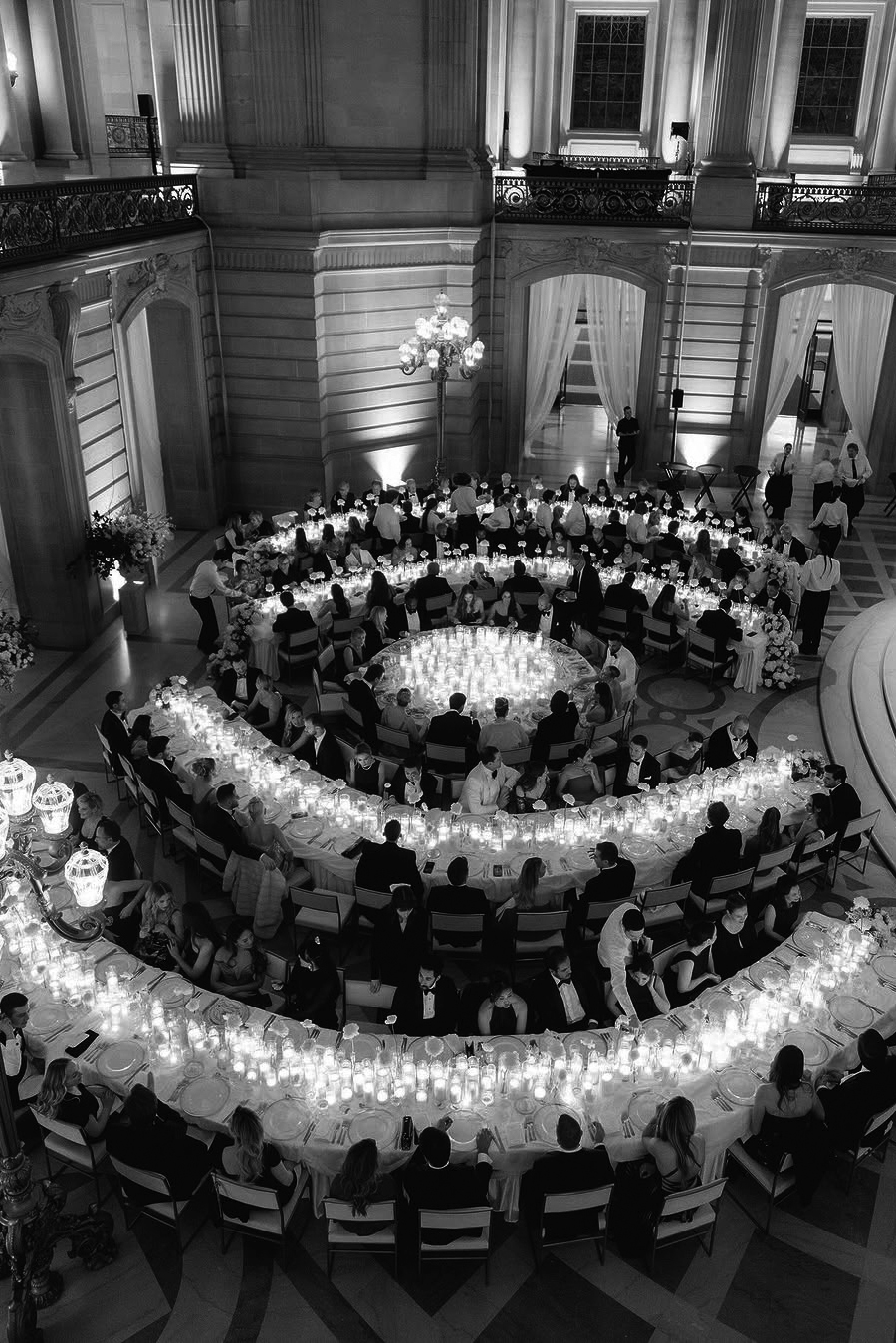

Shannon Leahy Events

Marcos Sanchez
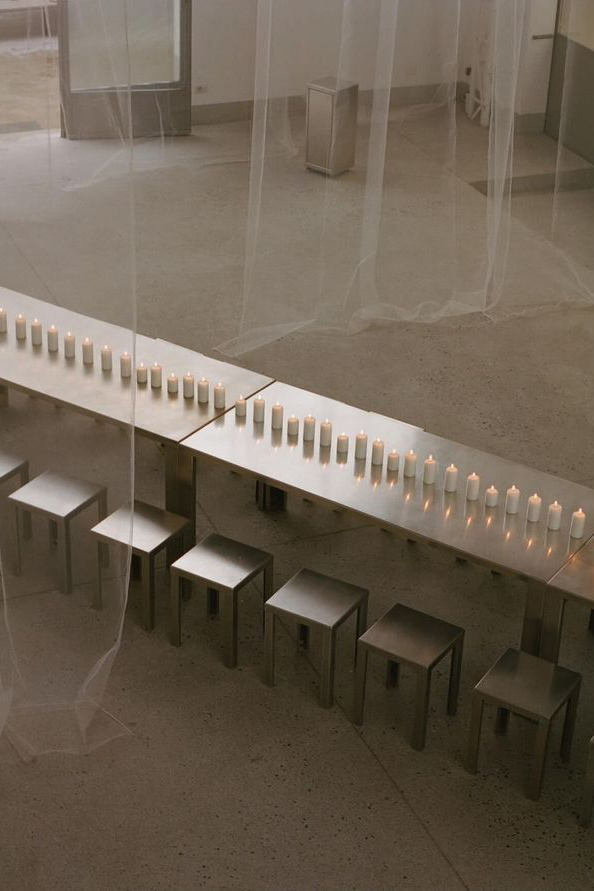
Allina, Jil Sander

Athena Calderone

Derai Studio
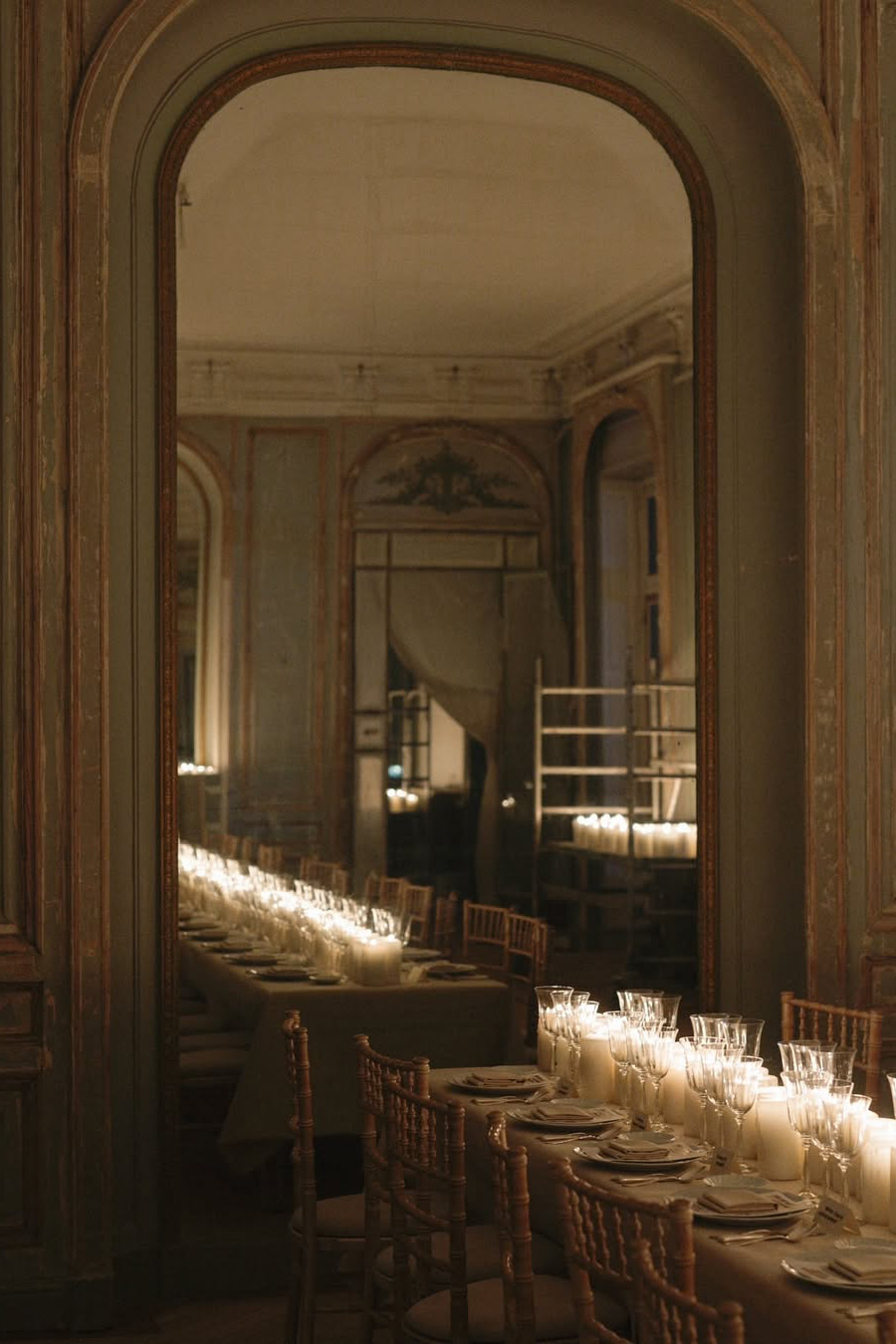
We Are Ona, Ali Valdez Photography
Shannon Leahy Events
Marcos Sanchez
Allina, Jil Sander
Athena Calderone
Derai Studio
We Are Ona, Ali Valdez Photography


Flat fee
The flat fee is the simplest and most transparent option: a single payment that covers all your planner’s services from start to finish – no matter how many hours they work or if your plans evolve. This approach offers peace of mind, knowing the cost won’t change as your wedding takes shape.
Pros
- Predictable: You’ll know exactly what you’re paying from the start, with no unexpected costs as plans evolve.
- Streamlined: Conversations about money are minimal, letting you focus on curating the details of your day.
- Comprehensive: A simple, all-in-one approach that covers your planning journey from start to finish.
- Balanced: Works especially well for more straightforward weddings, where effort aligns neatly with value.
Cons
- Flexibility: If your event grows in complexity, your planner may need to stretch beyond the initial scope.
- Additional Costs: Extra event days or unforeseen elements may require separate charges outside the initial fee.

Zonzo Studio

Athena Calderone
“Many wedding planners, particularly those with experience, may propose a hybrid model. This could range from 20% flat fee and 80% percentage for planners with over a decade of expertise to 70% flat fee and 30% percentage for those with two to five years in the industry.”

Gemma Le Roex Photography, Monica Jardine and Anne Lindholm Planning
Membership
The Lane Premium
Plan a wedding or occasion that spills with inimitable beauty. An exclusive membership for the design-led, for the dreamers who won’t settle for sameness or trends that quickly date.
Percentage-based
Percentage-based pricing ties your planner’s fee to a portion of your overall wedding budget, ensuring their focus aligns with the scale and scope of your event. This approach offers flexibility while accommodating the unexpected as plans unfold. Most high-end planners working on luxury weddings will opt for percentage-based pricing, as it allows the level of flexibility these types of weddings require.
Pros
- Scalable: Aligns your planner’s fee with the overall scope and budget of your wedding, growing or shrinking as needed.
- Comprehensive: Perfect for larger events with multiple components, like welcome dinners, brunches, and additional celebrations.
- Incentivized: Ensures your planner is as invested in your vision as you are, as their fee grows with the scale of the event.
Cons
- Unpredictable: Costs may rise unexpectedly if your budget increases during the planning process.
- Transparency: Fee adjustments might require frequent check-ins about spending, adding another layer of communication.

We Are Ona

Ali Valdez Photography
Hybrid
Many wedding planners, particularly those with experience, may propose a hybrid model. This could range from 20% flat fee and 80% percentage for planners with over a decade of expertise to 70% flat fee and 30% percentage for those with two to five years in the industry. It’s worth noting that these structures can vary significantly depending on your location and the market.
Pros
- Flexible: Combines the simplicity of a flat fee with the scalability of percentage-based pricing, adapting to your wedding’s needs.
- Tailored: Offers room for customization, accommodating both straightforward events and more complex celebrations.
- Balanced: Ensures a fair structure for both planner and client, aligning effort with compensation while keeping initial costs predictable.
Cons
- Complexity: Requires clear communication to understand how the fee is divided and when percentages apply.
- Uncertainty: Costs may still fluctuate based on changes to your overall budget, adding an element of unpredictability.
- Variability: The balance between flat fee and percentage can differ widely, making it harder to compare options between planners.
View our edit of Wedding Planners in The Lane Directory

Melody Joy Photography
Le Labo Fragrances
The 5 Defining Strengths to Look for in a Wedding Planner
Inspiration — Planning & Advice
So, you’ve locked in your venue (or at least, that’s where we’d suggest you start). Now comes the question of who will help bring it all to life. You’re looking for a wedding planner – but what exactly should you be looking for? These are the five key strengths every couple should consider.

7 Unexpected Tips From This Seasoned Wedding Planner
Inspiration — Planning & Advice
From ceremony seating to the flow of the day and the often-overlooked rehearsal dinner, these are the 7 wedding planning tips Manda Worthington swears by.

This or That: On-the-day Wedding Planner or Stylist?
Inspiration — Planning & Advice
As the day approaches, you might be wondering – do you need a wedding planner, a stylist, or can you simply go it alone? Here, an expert unpacks the difference, helping you decide whether a creative director, a coordinator, or quiet confidence is what your wedding day truly calls for.
A Sophisticated Wedding: Elegant Budget Tips From Top Wedding Planners
Inspiration — Planning & Advice
Explore elegant budget tips from top wedding planners to create a beautiful celebration without compromising on style or quality.
Follow The Lane

Join The Lane
Sign up to The Lane monthly Journal.