


Things You Won't Want To Miss — Planning & Advice
How To Create A Wedding Budget – Weighted by Your Priorities
Before your dream day can take off, ground it with a wedding budget that reflects what matters most. Tim – husband to our talented art director Gabby – shares a calm, clever guide to spending well – without losing momentum or meaning.

Share this


When Gabriella, our immensely talented art director – who, as I can personally attest, seems to pull exquisite inspiration out of thin air with a kind of effortless grace – got married, it was always going to be a beautifully considered affair. But it wasn’t just Gabby at the helm. Her husband Tim, with his background in finance, brought a very different kind of expertise to the table. “I was so grateful for him,” she laughs. “He was such a steady rock the whole way through. His brain is just so practical.”
They’re a bit of a yin and yang, complementing each other: Gabby, a creative force with a razor-sharp eye for detail and aesthetics – from colours to stationery and tableware, when it comes to their wedding – and Tim, calm, analytical, and quietly keeping tabs on the numbers.
Together, they planned their wedding – which gave them time to reflect, budget thoughtfully, and ultimately enjoy the process. And while not everyone has a finance whiz at home, Tim’s practical advice, combined with Gabby’s intuitive approach to prioritising what really matters, is a perspective we’re pleased to share with you.
Because whether you’re dreaming of a quiet coastal gathering, a candlelit city celebration, or a garden wedding like Gabby and Tim’s in the Australian hinterlands (with a distinctly European feel), a wedding should feel deeply personal – and still be financially sound.
Here’s how to find that balance.
Header Image: Calika

Register to access your first article free
By signing up, you agree to terms & conditions

Calika
Start with the True Maximum
“First, set out the absolute maximum you’re willing to spend,” says Tim. “Then take a third off that and make it your working target.” Why? Because costs add up – slowly, then all at once. With a built-in buffer, you’re far less likely to feel financial tension as the date draws near. “Once you’re deep into planning, it becomes harder to say no to things,” he adds. “You want to give yourself room.” Say your maximum is $90k – aim for $60k. That extra 30k is there if needed, but not assumed. It allows you to make decisions calmly, rather than reactively.
Create Categories – and Ranges
Sit down with your partner and list everything: venue, food, drink, marquee, entertainment, florals, photographer. Talk to recently married friends, speak to venues, and do a bit of online research. “Your venue will dictate how much will need to be planned,” says Tim. “Some include a lot, others are bare bones – and everything else has to be brought in.” Once you’ve mapped out your categories, start assigning a price range to each one based on what you’ve found or heard. For example, a marquee might cost anywhere between $5,000 and $20,000 depending on size, flooring, and style. Create a simple spreadsheet – Excel or Google Sheets both work well – with a row for each category and two columns for your low and high estimates. This gives you a clear, flexible overview of how your budget is shaping up. “Put in a low and high estimate for each category,” Tim explains. “Then sum the totals and see how they compare to your working budget. If the high end is above your budget, this is your moment to rework things before you’re emotionally committed.”
If it’s clear you’re going over, return to your priorities. Trim spend where it matters less and reallocate toward your non-negotiables. This is where thoughtful planning pays off. “It’s not about getting everything perfect,” Tim says, “it’s about feeling confident with where your money is going.” For Gabby and Tim, it wasn’t just theory – they built a system that helped them stay clear and collaborative throughout planning.

Prioritize Together
Now comes the value part: what actually matters most to you both as a couple? Is it the setting? The food? A live band? A long guest list? “Go through your list and rank each category in order of importance,” Tim says. “What matters most to both of you? That’s where your budget should go first.” Spend less on the areas that feel less meaningful, so you can direct funds toward your non-negotiables. A beautiful wedding doesn’t mean everything has to be ‘top tier’ – just that the most important parts are well cared for.
For Gabby and Tim, getting married at Palladio Arcadia in Sydney, that process was about thoughtful trade-offs. “With the weather and the risk of it raining, we had to have a marquee,” Gabby says. “I’m just such a visual person, and I remember thinking, ‘How do we make a marquee not look like a marquee?’ I wanted to reinvent the wheel a little – so we invested a bit more in transforming that space. That was a non-negotiable.” Catering was another area where they chose to spend more. “Really good food was a non-negotiable for us. So we paid a little more there.” But other things, like florals, became opportunities to pull back. “Because the gardens were already so beautiful – the hedging, the layout – we could go really refined with the flowers,” she says. “We still had a beautiful installation, this urn filled with paper and flowers as a kind of sculptural centrepiece. But we didn’t need to over-style it.” Music and the celebrant also made their shortlist of essentials. But there was room for flexibility, too. “It’s funny,” Gabby reflects, “as you’re going, you kind of pick and choose where you want to invest – and where you can pull back.”


Calika

Calika

Calika

Calika

Calika

Calika

Calika

Calika

Calika
Calika
Calika
Calika
Calika
Calika
Calika
Calika
Calika
Calika


A Spreadsheet That Actually Helps
Gabby and Tim used a shared spreadsheet not just to log costs – but to visualise where they could flex, and where they needed to hold the line. “At the beginning, we put in what we were willing to spend – that total figure,” Gabby explains. “Then we listed every vendor: marquee, catering, planner, stylist – everything.” They built three columns: one with low estimates, one with high estimates, and one with the actual figures as they confirmed bookings. At the bottom, they tracked totals for both low and high tiers – giving them a clear overview at every stage. “It really helped us make decisions,” she says. “Being able to visualize where we were at made it much easier to adjust and stay on track.” And yes – it was Tim’s idea. “That was definitely his doing,” she smiles. “I wouldn’t have thought to do that – but it worked so well.”
Leave Room for the Unexpected
Even with the best-laid plans, last-minute costs have a way of appearing. Gabby suggests building in some breathing room – not just financially, but mentally. “Going in and saying, ‘Okay, this is our budget’ is great,” she says, “but just give yourself some wriggle room. Things are going to pop up. They always do.” For their wedding at Palladio Arcadia – a private property in Sydney that operates as a dry-hire venue – many essentials had to be brought in from scratch. “Because the caterers didn’t have a built-in kitchen, they had to bring in a whole catering tent,” Gabby explains. “And things like glassware – we had to supply all of it for the bar. It’s those little things you don’t necessarily think about early on.” From extra water tumblers to the right glassware for drinks rotation throughout the night, small line items began adding up in the final stretch. “It’s those quiet little costs that creep in,” she says. “So even if you think you’ve mapped everything out, it’s worth having that buffer – just in case.”

Calika
Going DIY? Don’t Go It Alone
If your venue is more of a blank canvas – think paddocks, back gardens, or non-traditional spaces – you’ll likely be sourcing everything yourself: marquee, catering, bar, lighting, toilets, even waste management. “We highly recommend getting a planner to assist,” says Gabby. “You really won’t want to be coordinating your own wedding on the day.” A professional planner or on-the-day coordinator can step in to oversee logistics, field suppliers, and keep things running smoothly – so you don’t spend your ceremony checking on generator cables or the ice delivery.
Gabby and Tim worked with someone who wore two hats, which turned out to be the perfect fit for their needs. “She was a stylist and a planner,” Gabby explains. “So she straddled both, which was great. She was there on the day, but also involved in the lead-up.” They chose a package that gave them time before handing over closer to the date. She picked up all communications with our vendors which was such a relief at that point.”
Hold it Lightly
This system isn’t about perfection – it’s a tool to guide conversations and keep things grounded.
“At the end of the day, it’s just a guide to help you focus your money where it counts,” says Tim. “But you also need to be genuinely okay with spending that upper limit. Because you’ll likely get close.” And if you don’t? All the better. But by setting expectations early, and allowing some breathing room, you can make choices with clarity – and actually enjoy the process.

Calika
Membership
The Lane Premium
Plan a wedding or occasion that spills with inimitable beauty. An exclusive membership for the design-led, for the dreamers who won’t settle for sameness or trends that quickly date.

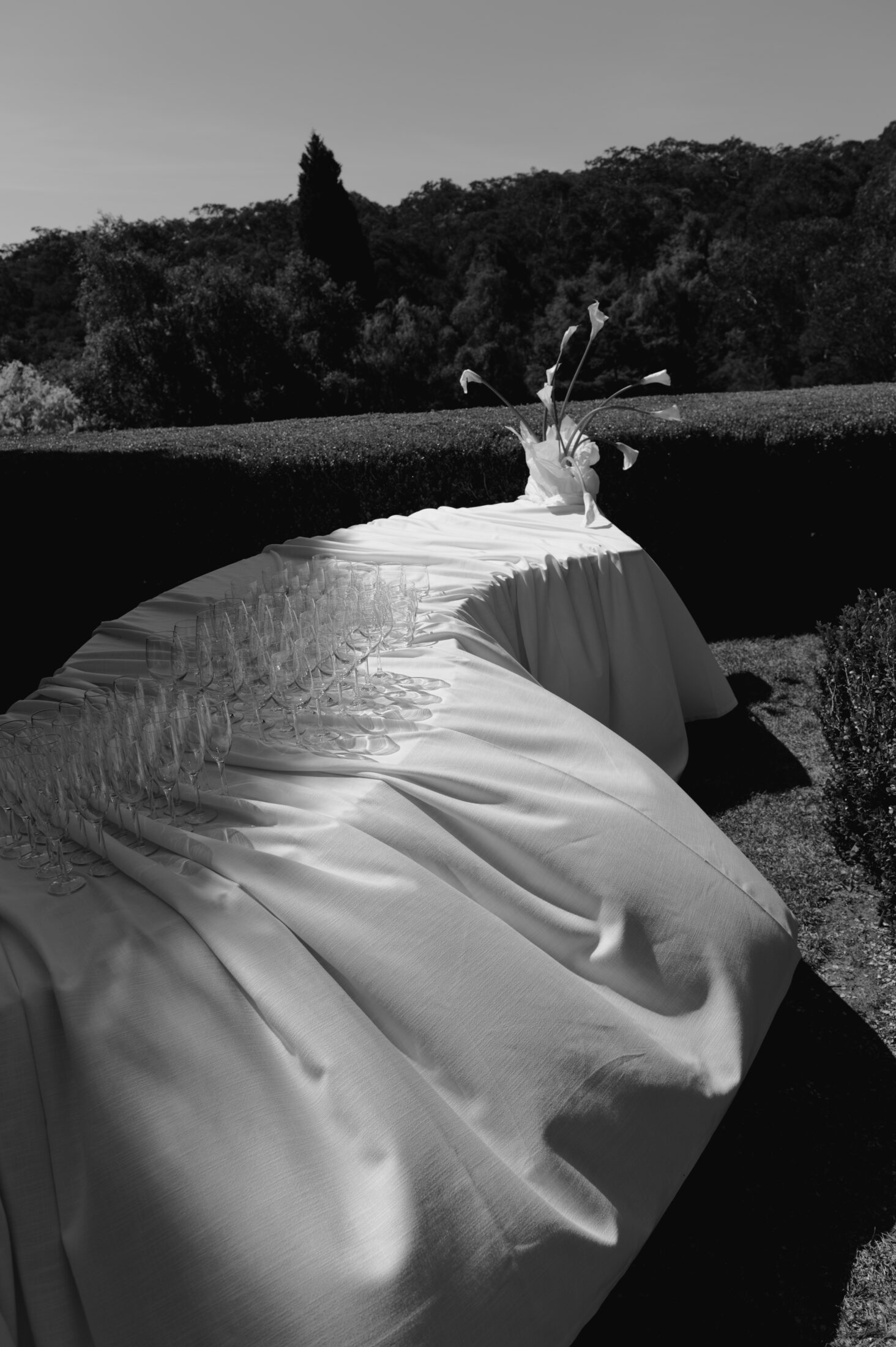
The Lane Art Director’s Wedding: Gabby & Tim’s Sydney Estate Celebration
Amidst sculptural forms, ephemeral fabric, and otherworldly details, our Art Director Gabby’s wedding elegantly unfolded on a private Sydney estate.

Textile Sculptor Mia Sylvia Herrod on Reimagining Reception Styling
How do you style a reception with Pre-Raphaelite poise and painterly detail? For this textile artist, it’s all about texture, layering, craft, and storytelling – each element woven into a setting worthy of a Rossetti muse.
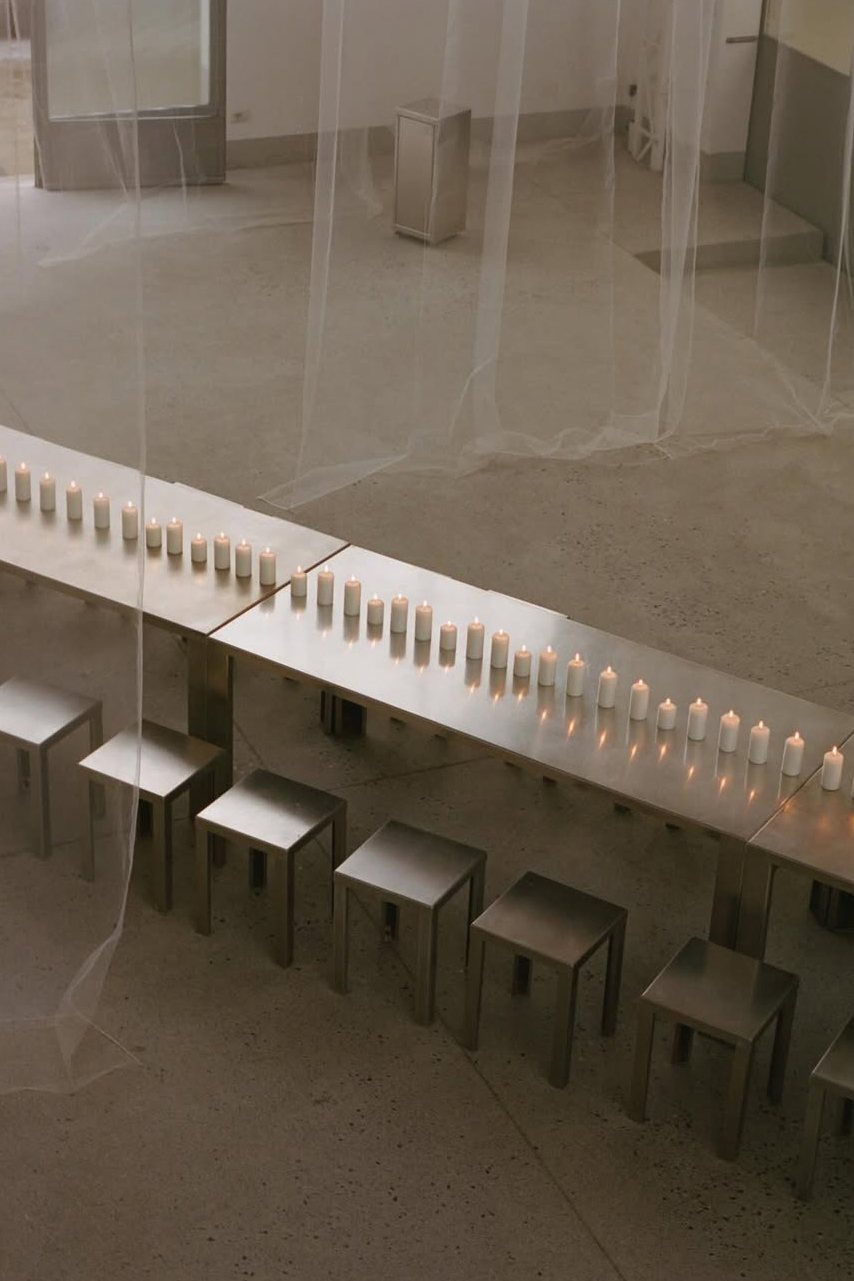
A Sophisticated Wedding: Elegant Budget Tips From Top Wedding Planners
Inspiration — Planning & Advice
Explore elegant budget tips from top wedding planners to create a beautiful celebration without compromising on style or quality.
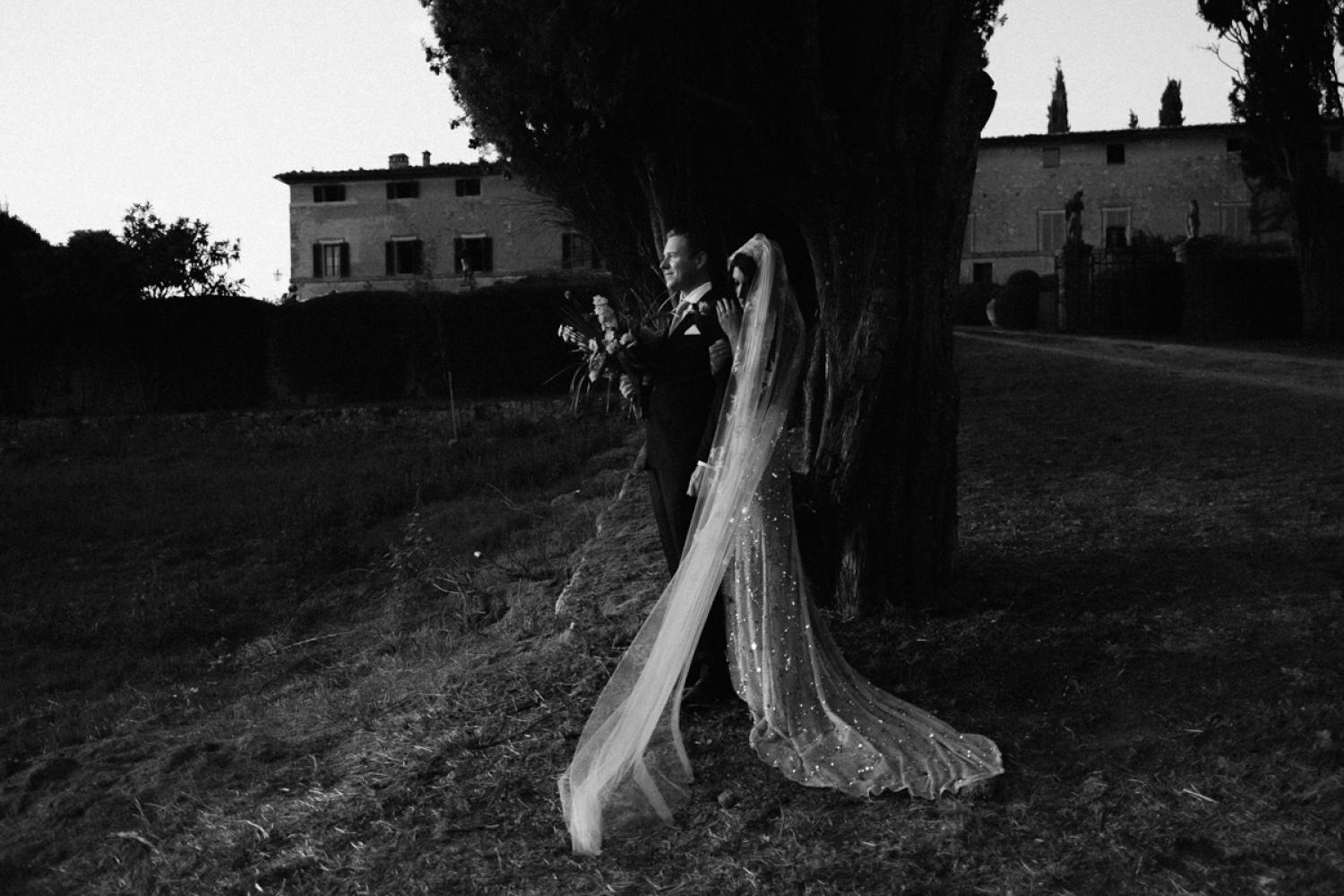
Why You Should Never Skimp on Wedding Photography
Inspiration — Planning & Advice
Key things to consider when choosing your photographer, and allocating your wedding budget.
Follow The Lane

Join The Lane
Sign up to The Lane monthly Journal.