


Inspiration — Planning & Advice
5 Reasons Why You Should Hire a Wedding Stylist
Wedding stylist or creative director – on the day of the wedding and long before – they’re the orchestrators of atmosphere, movement, and memory. Every detail is placed with intention; nothing is left to chance. Here, Lisbon-based Omer Gilony shares why investing in the right creative lead is worth their weight in gold.

Share this


In a courtyard nestled between citrus trees and crumbling stone walls, a long white table stretches through the garden. Wild spring florals rise from fine glassware, each arrangement airy yet grounded – as if they grew there organically. Inside a restored palazzo, fresh roses pour from a cart as sculptural gowns in crimson silk wait in the wings. Every angle, every detail, is in harmony.
None of it happens by accident.
This is the kind of poetic precision Lisbon-based stylist and creative director Omer Gilony is known for. Working at the intersection of space, story, and sensorial detail, she creates atmospheres that feel effortless but are meticulously orchestrated. Her work (whether for weddings, brand launches or intimate dinners) doesn’t follow a template. It listens to the architecture, the materials, the light. It moves with the rhythm of the people and the purpose.
So, why invest in a wedding stylist or creative director?
Here, five reasons why hiring a wedding stylist (or creative director) is more than worth the investment – and what you gain when you invite someone like Omer to shape the experience.

Register to access your first article free
By signing up, you agree to terms & conditions

Omer Gilony as featured in World of Interiors, Irina Boersma César Machado Photography

Omer Gilony x Eye Swoon


Omer Gilony

Omer Gilony

Omer Gilony

Omer Gilony

Omer Gilony

Omer Gilony

Omer Gilony

Omer Gilony

Omer Gilony

Omer Gilony

Omer Gilony

Omer Gilony

Omer Gilony
Omer Gilony
Omer Gilony
Omer Gilony
Omer Gilony
Omer Gilony
Omer Gilony
Omer Gilony
Omer Gilony
Omer Gilony
Omer Gilony
Omer Gilony
Omer Gilony
Omer Gilony


1. It’s Not Just Styling – It’s Seeing the Whole Picture
“Most of my wedding clients come from the design or art world,” Omer says. “They don’t necessarily want something ‘weddingy.’ They want something that feels like them – and that translates beautifully in photos.”
That vision starts long before the first flower is placed. “The moment I step into a space, I begin designing in my head. I see the journey guests will take – what they’ll notice first, how the light shifts, where things should live. It becomes an architecture in my mind – a spatial rhythm, a flow of moments.”
By the time the photographer arrives, she’s already envisioned the frame. “I often guide them quietly because I’ve already thought through where the story lands. I know where the composition breathes.”
She recalls an event with The Lane in Tuscany. “We had this view, this table, this façade behind it – it all aligned. I’d say, ‘Stand here. This is your angle.’ And later, the images come back and feel effortless. But what people don’t realize is that the colors, the materials, the backdrop — it was all part of the composition. What seems natural is often deeply considered.”

2. Angles, Atmosphere, and the Invisible Hand Behind the Image
For Omer, styling is never just about the scene itself; it’s about how it lives on, especially in photographs. “A lot of the work I do is for brands or events where content is central. Launches, influencer trips, fashion activations for the likes of Missoni, these moments are created to be seen, shared, remembered.”
She doesn’t just style the table; she sets the frame. “I know how to read a space. I know where the camera naturally lands, where the light hits right, where something needs to be placed so that it sings in the shot.”
When working on a Dolce Vita influencer trip, for example, every detail was considered in relation to how it would be received visually. “It’s not about perfection – it’s about placement. Even a gift box becomes part of the storytelling. I’ll stand in the exact spot where someone will enter the room and ask myself: what’s the first thing they’ll see? Where will the photo happen, without trying?”
That ease, she explains, is often an illusion. “The rawness, the sense of spontaneity – that’s curated too. Sometimes it’s about making something feel like it was used, touched, lived-in. Like it happened naturally.”
At a recent jewelry workshop she styled, she thought just as much about the camera as about the tablescape. “I knew which door people would enter through, what they’d see first, and how the space would guide them. You decorate for that journey. You design for the image that’s going to be taken before anyone even realizes they’ve taken it.”

Omer Gilony

Omer Gilony
3. Designing from the Source – Not the Trend
“There’s a difference between styling something that’s beautiful, and styling something that’s right,” Omer says. “For me, the most compelling events begin with the space itself.” She’s not interested in forcing a palette or recreating a Pinterest board. Instead, she listens – to the materials, the architecture, the atmosphere of a place. “I don’t want to copy what’s trending. I want to build something that belongs.”
At a recent launch for Gandaia, a Lisbon-based fashion label, she was given complete creative freedom. “No brief, no moodboard – just the space, the brand, and the feeling.” The studio had just undergone a full rebrand: a more refined, elevated identity. “Before, they were more playful, funky, but now it needed to feel grown, minimal, grounded.”
Rather than bringing in external references, she drew directly from the architecture. “I asked the architect and the team what materials were used in the redesign – cork (which is very local to Portugal), stainless steel, and these translucent curtains made from plastic. That’s what I worked with. That became the table setting. I didn’t want to just use red and orange because those were the brand colours. I wanted to express them in a way that felt spatial, dimensional – something that made sense in that room.”
The result was quiet but striking. “It’s about finding a rhythm between the space and the story. Letting the room inform the design. That’s the kind of styling that lingers – not because it was loud, but because it made sense.”

Omer Gilony, The Lane Weddings & Events
“For me, the most compelling events begin with the space itself.”

Omer Gilony

Omer Gilony
4. Reading the Room – And the Client
No two clients are the same. And for Omer, that’s exactly the point. “Even if the brief is similar, the way I approach each project is completely different,” she says. “The people behind it, their pace, their personalities – it all shapes the process.”
A brand activation for Chanel doesn’t unfold like a private birthday. A floral workshop requires a different rhythm than a wedding. “Some clients are very visual, some are more emotional. Some want to be deeply involved, others prefer to hand it over. And the way I communicate shifts with that. It has to.”
She’s learned to read when to lead and when to soften. “For a lot of couples, it’s the first big event of their lives. There’s emotion, expectation, family dynamics. Sometimes, what they need most isn’t more design – it’s reassurance. You have to hold space for that.”
In contrast, fashion and design clients often come with a visual language of their own. “They don’t need hand-holding — they need sharp thinking. It’s about creative alignment. About speaking the same visual dialect.”
That sensitivity – to personality, to context – is what makes her role so much more than decorative. “Styling is part instinct, part choreography. It’s knowing how to shape a moment, but also how to hold a room.”

Omer Gilony x Eye Swoon

Derai Photography
5. The Team Behind the Table
No matter how considered the design, the final result hinges on the people who bring it to life. “I could never do this alone,” Omer says. “Even the best concept can fall flat if it’s not executed with sensitivity and precision.”
She works with two full-time assistants, a part-time coordinator, and a trusted network of freelancers — each hand-picked for the rhythm and character of the project. “I don’t just have a list. I curate the team depending on the energy, the aesthetic, the tempo. The florist I bring to a romantic countryside wedding wouldn’t be the one I choose for an editorial product launch.”
Still, some clients try to cut corners – bringing in a friend to bake the cakes or asking someone from their office to handle styling. “And I understand that — people want to make it personal or reduce costs. But there’s a reason I choose my people. You wouldn’t ask someone who works in finance to do floral placement or set the rhythm of an event. These are real skills and trained instincts — you only get that from doing it, over and over, in high-pressure environments.”
Sometimes clients even ask her to work with their own team — people she hasn’t collaborated with before. “And honestly, it makes all the difference. The end result just isn’t the same. When I know who I’m working with, we move as one. Everything is sharper. Lighter. It looks effortless because everyone knows their place in the flow.”
Even in cases where she’s hired only as a consultant, she remains specific. “I might not be there on the day – though I don’t usually recommend that – but I’ll still send instructions. I’ll tell the florist where to place each arrangement, how high it should be, how the colours need to land against the table. Every detail matters.”
In the end, she says, it’s not just about beautiful things. “It’s about knowing where they belong.”

Membership
The Lane Premium
Plan a wedding or occasion that spills with inimitable beauty. An exclusive membership for the design-led, for the dreamers who won’t settle for sameness or trends that quickly date.

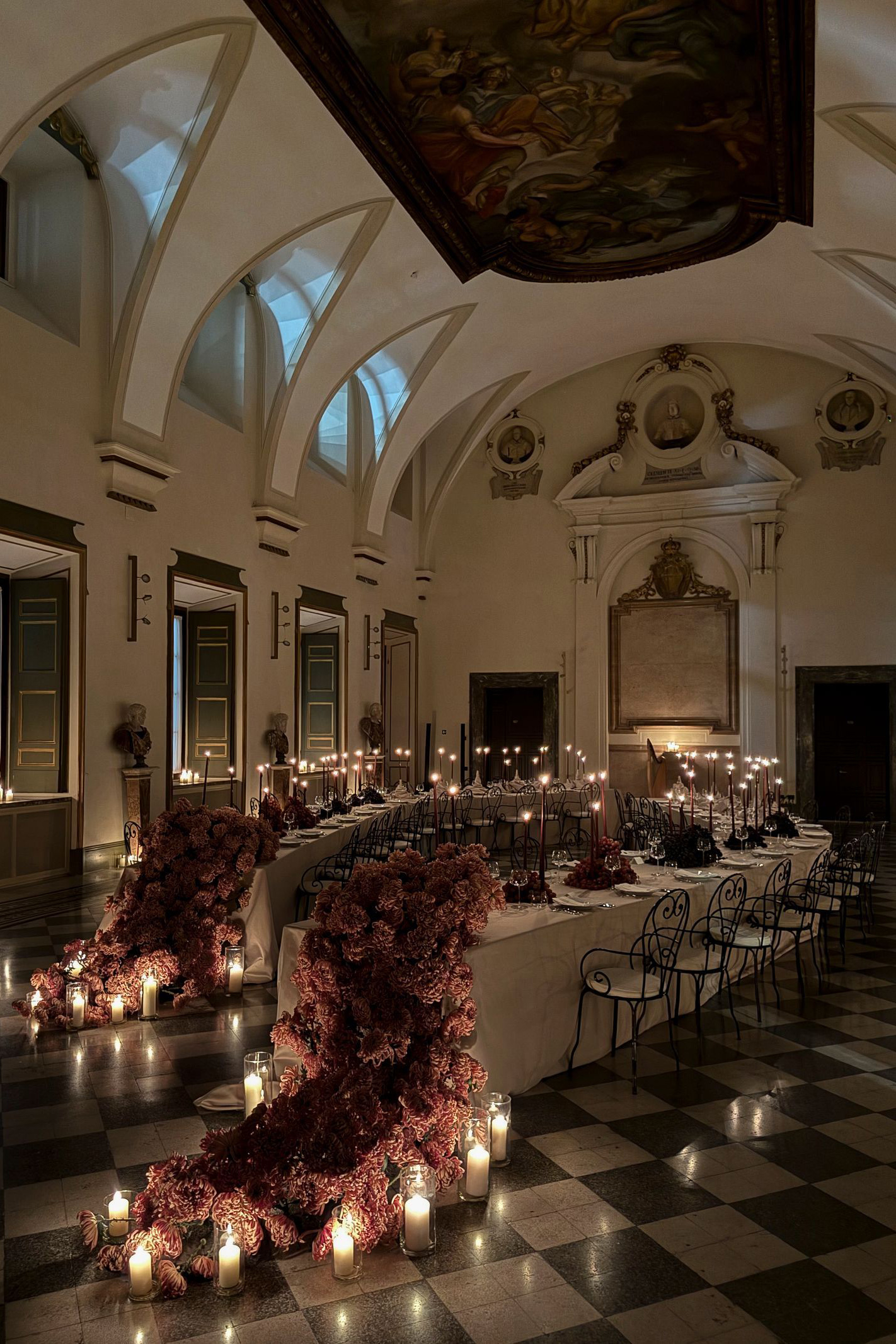
The Art of Decadent Dining with Omer Gilony
Artist Omer Gilony on how to set a sumptuous table that instantly entices the senses.
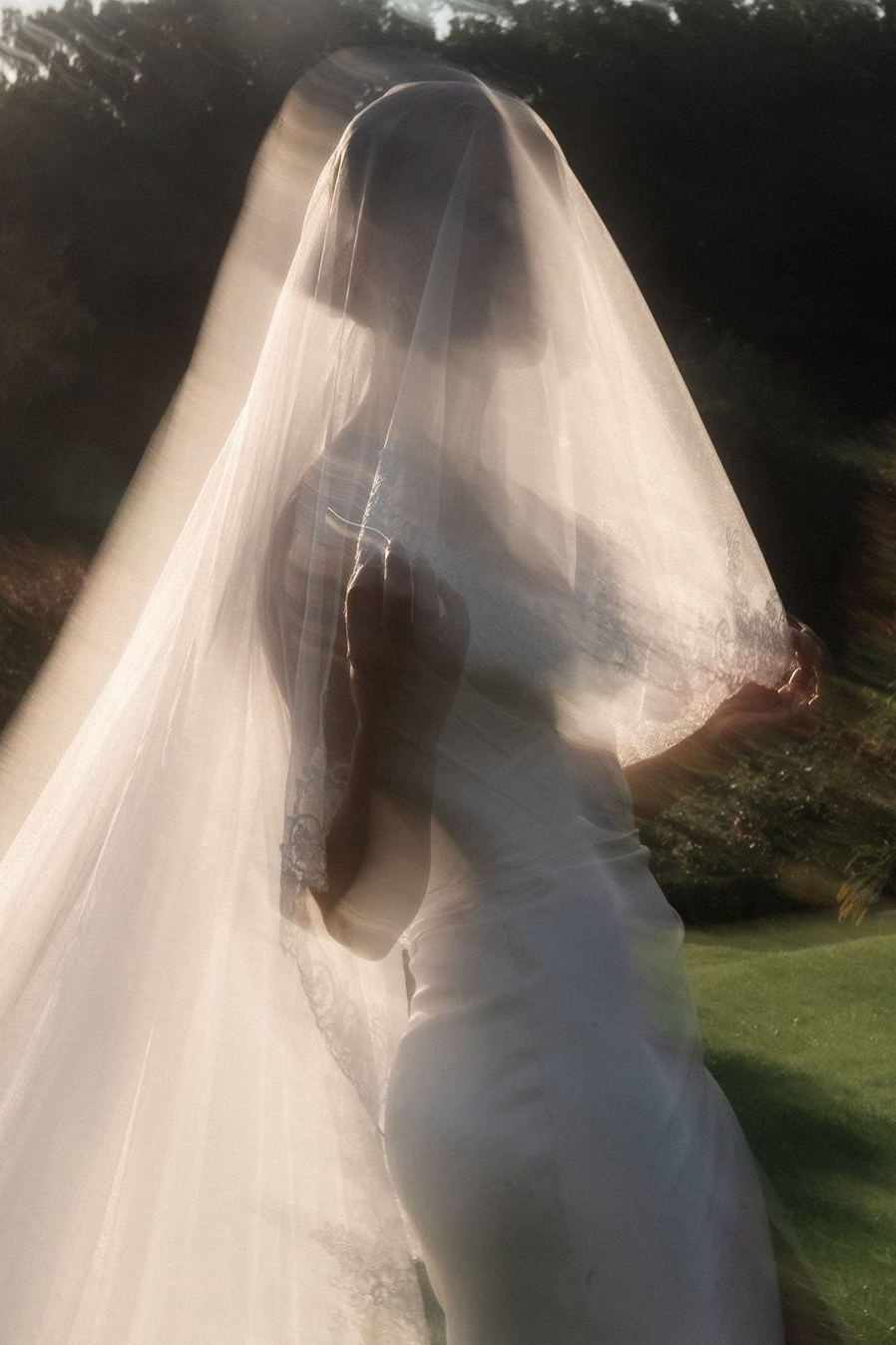
Through The Photographer’s Lens: What Makes An Image Truly Magical?
Inspiration — Photography & Videography
We asked some of the world's most talented wedding photographers what needs to transpire to create magical images.
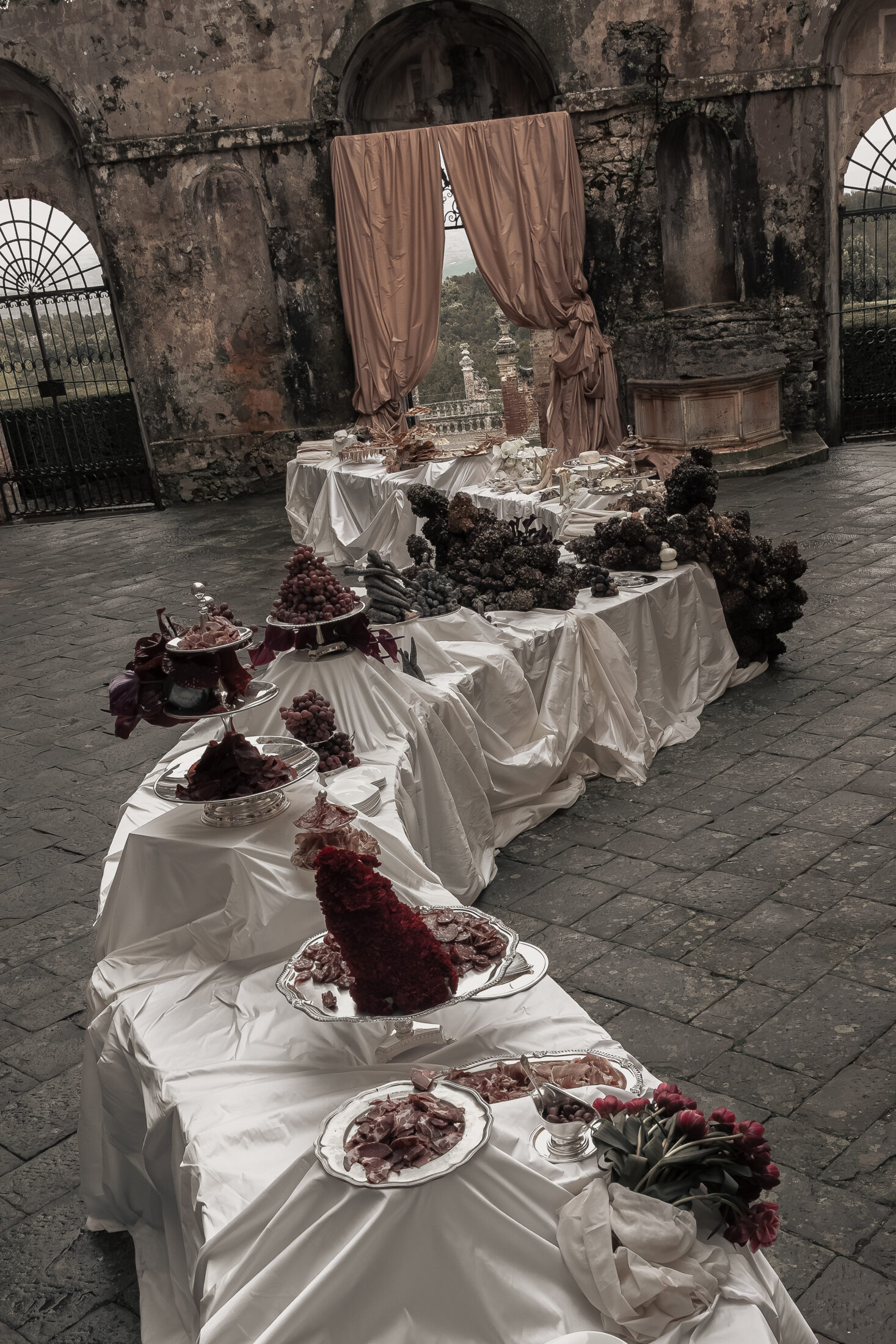
5 Ways to Transform Your Table with Textiles – from Sculptural to Subtle
Textiles have been quietly reclaiming their place in contemporary tablescapes – adding depth, softness, and a sense of occasion. Whether your style is restrained or more expressive, these creatives share thoughtful ways to incorporate them into your table setting now.
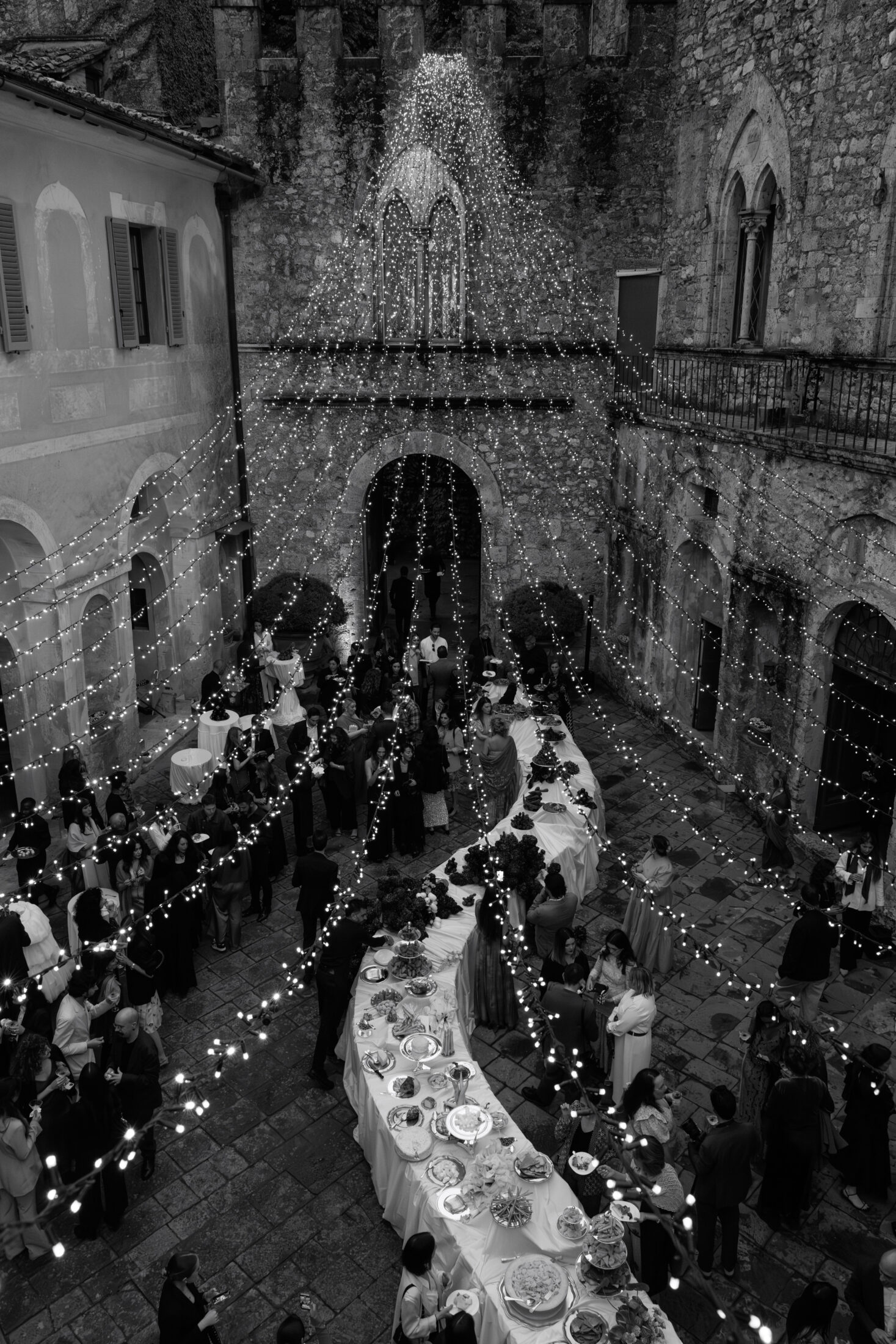
A Night of Revelry in Tuscany
An evening of revelry in Tuscany, celebrating The Lane's upcoming Destination Wedding and Travel Guide at Castello di Celsa.
Follow The Lane

Join The Lane
Sign up to The Lane monthly Journal.